Frontier Systems: When AI Moves From Software Into Physical Infrastructure
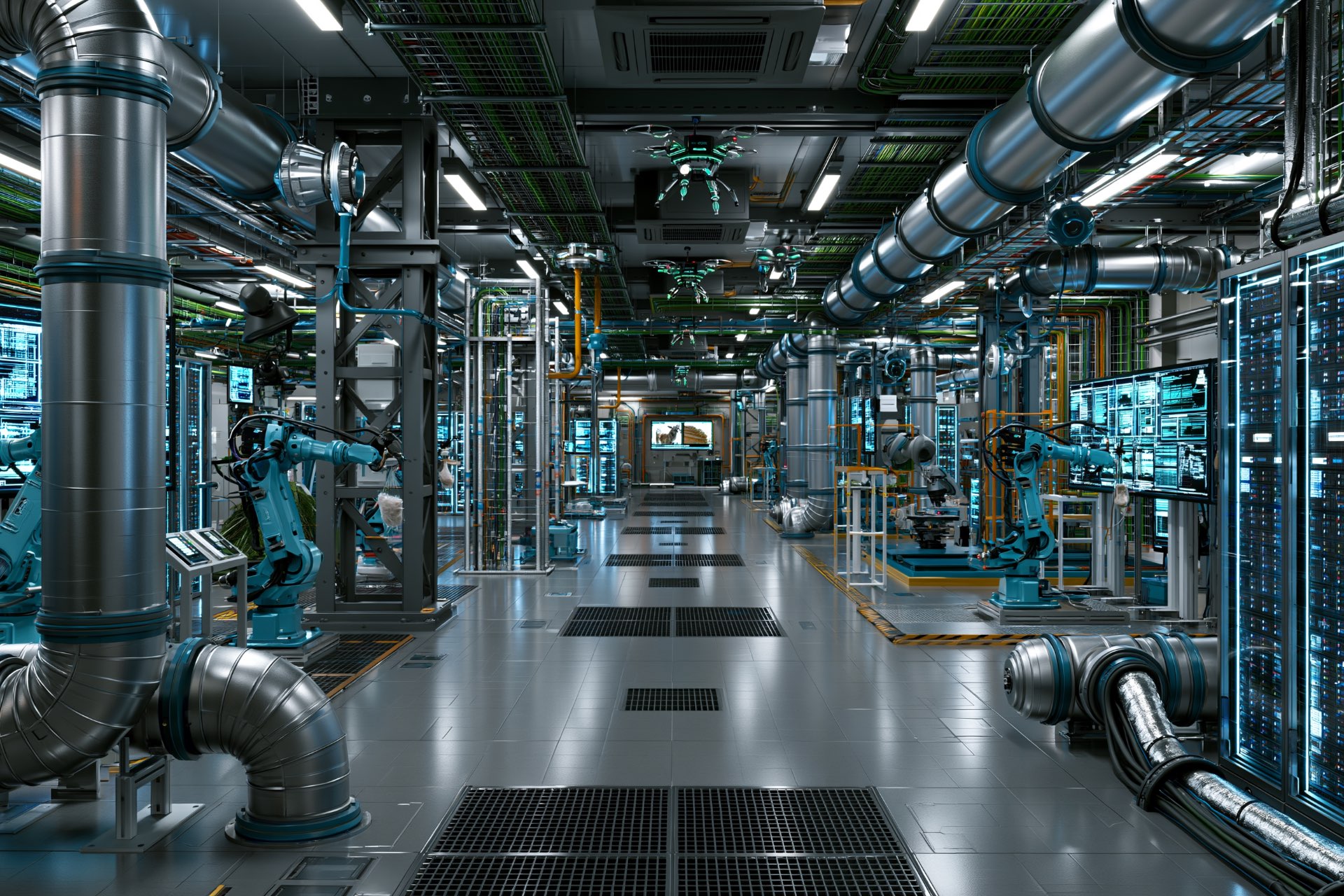
Frontier Systems represent a category of AI-driven platforms that close the loop between computational modeling and physical execution — where algorithms don’t just generate recommendations but directly control robots, instruments, and physical processes. This is not speculative territory. Exascale supercomputers, AI-guided robotic labs, and autonomous inspection drones are operating today, compressing development timelines that previously required years into weeks or months.
Frontier AI work does not stay in software. Models need power, chips, cooling, data centers, robotics, logistics, and physical-world feedback loops.
That shift changes the operator question. The bottleneck is no longer only model capability. It is whether the surrounding infrastructure can keep up with the systems being imagined.
Overview
💡 What Makes This Guide Different
Most AI tool documentation focuses on ideal scenarios. This guide is closer to an operator’s logbook: what installed cleanly, what broke, what got expensive, and what created real risk.
Frontier Systems are AI-powered platforms that automate and optimize physical infrastructure development through the integration of computational modeling, robotic systems, and real-time data analysis. Unlike traditional construction and materials science approaches that rely on human-driven processes, these systems use machine learning algorithms to control physical equipment, predict material behaviors, and optimize construction workflows autonomously.
The technology emerged from the convergence of three critical capabilities: exascale computing power that can model complex physical systems in real-time, advanced robotics that can execute precise physical tasks, and AI algorithms sophisticated enough to bridge the gap between digital models and physical reality.
Andreessen Horowitz published a foundational analysis of Frontier Systems for the physical world, identifying the bottleneck shift: the constraint in scientific and infrastructure development is moving from hypothesis generation to fabrication and validation. AI can now generate experimental designs and material candidates faster than physical systems can test them — which drives the demand for automated, AI-guided physical execution.
Andreessen Horowitz has committed $3 billion to AI infrastructure development, signaling institutional confidence in the commercial viability of these systems. ORNL’s Frontier supercomputer achieves 1.194 exaflops across 9,408 compute nodes — the computational foundation that makes real-time modeling of complex physical processes viable.
First Impressions
The first encounter with Frontier Systems feels like watching construction equipment that thinks. Robotic arms move with deliberate precision guided by algorithms processing thousands of variables simultaneously. The interface displays real-time computational models that update as physical work progresses, creating a feedback loop between digital prediction and physical reality.
What stands out immediately is the absence of human intervention in routine decision-making. Traditional construction sites and research labs involve constant communication between workers, supervisors, and engineers. Frontier Systems operate with minimal human oversight, making autonomous adjustments based on sensor data and predictive models.
The scale of data processing is striking. These systems generate terabytes of information daily from cameras, sensors, environmental monitors, and material testing equipment. The computational infrastructure required to process this data stream in real-time represents a significant departure from conventional infrastructure management.
Most unexpected is how the systems adapt to conditions that deviate from specifications. When material properties vary or environmental conditions change, the AI adjusts workflows automatically rather than stopping for human consultation. This autonomous problem-solving capability changes the rhythm and reliability of physical infrastructure development — though it also introduces failure modes that require careful monitoring.
Architecture
Frontier Systems operate on a three-layer architecture connecting computational modeling, control systems, and physical instrumentation.
The computational layer runs on high-performance computing infrastructure. Systems like ORNL’s Frontier supercomputer provide 1.194 exaflops across 9,408 compute nodes for real-time modeling of complex physical processes. Practical deployments can start with smaller HPC clusters or cloud-based computing resources for less computationally intensive applications.
The control layer translates computational models into actionable instructions for robotic systems and automated equipment. This middleware converts abstract mathematical models into precise physical movements, material applications, and quality control procedures. Machine learning algorithms continuously optimize these translations based on performance feedback.
The physical instrumentation layer consists of sensors, cameras, robotic equipment, and specialized tools that interact directly with materials and structures. This layer generates data that feeds back into computational models, creating the closed loop where physical reality continuously informs digital predictions.
The bottleneck is shifting from hypothesis generation to fabrication and validation, requiring sophisticated instrumentation systems that can keep pace with AI-generated insights. The architecture includes redundant safety systems and human override capabilities, but these operate as exceptions rather than routine workflow components.
Core Value Proposition
Frontier Systems deliver one critical advantage: compressing the time between design conception and physical implementation by automating the iterative testing and refinement process that traditionally requires human expertise and manual labor.
Traditional infrastructure development follows a linear progression from design to testing to implementation, with each phase requiring weeks or months of human analysis. AI-accelerated workflows can potentially compress traditional multi-year development cycles significantly, altering project economics and competitive dynamics.
The economic case extends beyond speed. Projects that previously required large teams working over months can be completed with minimal human oversight in weeks. The reduction in labor costs, combined with improved precision and reduced material waste, creates meaningful cost advantages for early adopters.
More significantly, these systems enable experimentation at scales that are impractical with human-driven processes. AI can test thousands of material combinations, structural configurations, or construction sequences simultaneously, identifying optimal solutions that human teams would never discover within practical time constraints.
Physical Infrastructure Readiness Map
| Layer | What Must Be Ready | Failure Mode |
|---|---|---|
| Sensor layer | Reliable measurement, calibration, and environmental coverage. | Bad readings produce confident but wrong physical actions. |
| Simulation layer | Models that reflect real materials, equipment limits, and site conditions. | Plans work in software and fail in the field. |
| Execution layer | Robotics, controls, and instrumentation with safe fallback states. | Autonomy collides with physical risk. |
| Governance layer | Human override, audit trails, regulatory review, and incident response. | No one can explain what the system did after something breaks. |
Concrete Example
Medra’s automated life science data collection system demonstrates Frontier Systems in practice. The company builds systems that collect life science data with precision and scale that humans alone cannot achieve — a clear operational example of AI-controlled physical processes.
The system begins with computational modeling that predicts optimal experimental conditions based on existing data and research objectives. AI algorithms generate hundreds of potential experimental configurations, ranking them by probability of success and resource requirements. This planning phase completes in hours rather than the weeks human teams typically require.
Robotic instrumentation then executes the experimental plan autonomously. Precision manipulators handle materials with micrometer accuracy while sensor arrays monitor environmental conditions, chemical reactions, and material properties in real-time. The system adjusts experimental parameters continuously based on incoming data, optimizing outcomes without human intervention on each step.
Data collection operates at scales that are impractical for human researchers: dozens of parallel experiments simultaneously, generating thousands of data points per hour. Machine learning algorithms analyze results in real-time, identifying patterns and anomalies that inform subsequent experimental iterations.
A parallel application in infrastructure inspection: Exelon’s AI-powered drone program inspects transmission lines and substations, reducing inspection timeframes from weeks to days through automated analysis and real-time reporting.
Prerequisites
Frontier Systems require substantial computational infrastructure as the foundation. Organizations need access to high-performance computing resources capable of running complex simulations in real-time. Systems like ORNL’s Frontier represent the upper end, but practical deployments can start with smaller HPC clusters or cloud-based computing resources depending on application complexity.
Physical infrastructure requirements include robotic systems, sensor arrays, and automated instrumentation capable of executing AI-generated instructions with high precision. Implementation costs vary dramatically by scale — from $50,000–150,000 for small facilities to $500,000–2,000,000+ for large deployments, depending on complexity and precision requirements.
Technical expertise requirements span multiple disciplines. Teams need specialists in machine learning, robotics, domain science (materials, construction, inspection), and systems integration. Finding personnel with this hybrid expertise is the most consistent bottleneck in deployment.
Data management capabilities are critical. These systems generate enormous sensor data volumes that must be stored, processed, and analyzed in real-time. Organizations need durable data infrastructure and analytics capabilities to support continuous learning and optimization.
Regulatory and safety frameworks must be established before deployment. Safety system testing and regulatory approval may be required before systems can operate without continuous human supervision — and approval timelines are unpredictable as agencies develop frameworks for AI-controlled physical systems.
Security and Compliance
Frontier Systems present unique security challenges due to their integration of AI algorithms with physical infrastructure control. These systems require multi-layered security approaches that protect both digital assets and physical safety.
Physical AI systems gather enormous volumes of real-world data including visual, biometric, and location-based inputs, creating significant privacy and compliance obligations that vary by jurisdiction and application.
Access control must authenticate both human operators and automated processes. Traditional role-based access controls are insufficient when AI algorithms make autonomous decisions affecting physical systems. Organizations need dynamic authorization frameworks that can evaluate AI decision-making in real-time and intervene when necessary.
Physical security requirements include protection of robotic systems, sensors, and computational infrastructure from tampering or sabotage. Unlike purely digital systems, Frontier Systems can cause physical damage if compromised, requiring additional safety interlocks and monitoring.
Compliance frameworks are still evolving for AI-controlled physical systems. Organizations must navigate existing regulations for construction, materials handling, and workplace safety while adapting to new requirements for AI transparency and accountability. Documentation requirements are extensive — regulators need to understand both the AI decision-making process and the physical outcomes.
Audit trails must capture both digital decisions and physical actions, creating records that link AI algorithms to specific physical outcomes. This traceability is essential for regulatory compliance and liability management in case of system failures.
Setup and Configuration
Initial deployment begins with computational infrastructure provisioning. Cloud-based solutions offer faster deployment but may introduce latency issues for time-critical applications. On-premises HPC clusters provide better performance but require capital investment and specialized technical expertise.
Physical system integration follows computational setup. Robotic equipment, sensors, and instrumentation must be installed, calibrated, and connected to control systems. This process requires careful coordination between AI specialists and physical infrastructure experts to ensure proper communication between digital models and physical equipment.
Calibration procedures are critical for system accuracy. AI algorithms must be trained on the specific characteristics of the physical environment, materials, and equipment they will control. This training process can take weeks or months depending on application complexity and training data availability.
Safety system configuration requires extensive testing and validation. Emergency stop procedures, human override capabilities, and fail-safe mechanisms must be thoroughly tested before autonomous operation begins.
Data pipeline configuration establishes the flow of information between sensors, computational models, and control systems. Real-time data processing requirements demand careful optimization of network infrastructure, storage systems, and analytics capabilities to avoid bottlenecks that could disrupt autonomous operation.
Gotchas
Computational models can diverge from physical reality subtly. AI algorithms trained on historical data may not account for material variations, environmental changes, or equipment degradation that affect real-world performance. Regular recalibration is essential but often overlooked until significant errors accumulate.
Sensor drift and calibration decay create gradual accuracy degradation that is difficult to detect without useful monitoring. Physical AI systems collect enormous volumes of sensitive data, but data quality issues propagate through the entire system, leading to poor decisions and potentially dangerous outcomes.
Integration complexity with existing infrastructure is consistently underestimated. Legacy systems, incompatible data formats, and communication protocol mismatches can prevent reliable operation. Organizations typically discover these issues only after significant investment in hardware and software deployment.
Human oversight requirements are more demanding than anticipated. While these systems operate autonomously, they require skilled operators who understand both AI algorithms and physical processes. Finding personnel with this hybrid expertise is challenging and expensive.
Implementation costs escalate quickly beyond initial estimates, particularly when custom instrumentation or specialized robotics are required. Hidden costs include ongoing maintenance, software updates, and continuous AI model retraining as physical conditions change.
Regulatory approval processes are unpredictable and can significantly delay deployment. Agencies are still developing frameworks for AI-controlled physical systems, leading to lengthy review periods and evolving requirements that can force costly redesigns.
Troubleshooting
Computational model failures typically manifest as sudden changes in system behavior or unexpected physical outcomes. Verify data quality and sensor calibration first. Corrupted sensor data causes model predictions to drift rapidly from reality.
Communication failures between digital models and physical systems often appear as delayed responses or incomplete task execution. Network latency, protocol mismatches, or hardware communication errors disrupt the real-time feedback loops essential for proper operation. Monitor communication timestamps and data integrity continuously.
Robotic system malfunctions require immediate shutdown procedures to prevent damage or safety hazards. Emergency stop protocols must be tested regularly and easily accessible to human operators. Common issues include mechanical wear, sensor obstruction, and software conflicts that prevent proper execution of AI-generated instructions.
Data processing bottlenecks cause system-wide performance degradation. When computational resources become insufficient for real-time analysis, the system falls back to slower, less optimal operating modes. Monitor processing delays and resource utilization to identify capacity constraints before they affect performance.
Safety system false alarms disrupt operations and reduce confidence in autonomous operation. Proper tuning of safety thresholds requires balancing system protection with operational efficiency. Regular analysis of safety system triggers helps identify patterns indicating calibration issues or environmental changes affecting sensor performance.
Workflows Worth Copying
Continuous calibration workflows prevent gradual accuracy degradation by automatically comparing AI predictions with measured outcomes and adjusting model parameters in real-time. Leading implementations run calibration checks every few hours during active operation, using recent performance data to update algorithms continuously.
Predictive maintenance workflows use AI analysis of equipment performance data to schedule maintenance before failures occur. These systems monitor vibration patterns, temperature variations, and performance metrics to identify equipment that needs attention, reducing unplanned downtime and extending equipment life.
Multi-scenario testing workflows run parallel simulations of different approaches to complex tasks, allowing the system to compare outcomes and select optimal strategies before committing to physical implementation. This approach reduces material waste and improves success rates for challenging projects.
Human-AI collaboration workflows establish clear protocols for when human expertise should override AI decisions. Successful deployments define specific conditions that trigger human review — unusual material properties, extreme environmental conditions, or safety system alerts that require judgment beyond the AI’s training envelope.
Data quality assurance workflows automatically validate sensor data, identify anomalies, and flag potential calibration issues before they affect system performance. These workflows compare data from multiple sensors, check for consistency with historical patterns, and alert operators to potential problems before they impact operations.
Infrastructure inspection workflows like Exelon’s drone program demonstrate how to structure autonomous data collection and analysis for large-scale monitoring, providing templates applicable across different infrastructure asset classes.
Starter Prompts
SYSTEM: Analyze current material properties and recommend optimal processing parameters for [specific material type] under [environmental conditions]. Include confidence intervals and alternative approaches if primary recommendation has low confidence.
SYSTEM: Generate experimental design for testing [number] variations of [material/process] with constraints: [budget], [timeline], [available equipment]. Prioritize experiments by expected information value.
SYSTEM: Evaluate structural integrity of [component type] based on sensor data from [time period]. Flag any measurements outside normal parameters and recommend inspection priorities.
SYSTEM: Optimize construction sequence for [project type] considering [constraints: weather, materials availability, equipment capacity]. Provide timeline estimates and risk assessments for each phase.
SYSTEM: Compare predicted performance of [design option A] versus [design option B] for [specific application]. Include material costs, construction time, and long-term maintenance requirements.
SYSTEM: Analyze failure patterns in [equipment type] over [time period] and predict optimal maintenance schedule. Include cost-benefit analysis of different maintenance strategies.
SYSTEM: Design quality control protocol for [manufacturing process] that can detect [specific defect types] with [accuracy requirement]. Specify sensor requirements and inspection intervals.
SYSTEM: Generate safety assessment for [proposed operation] considering [environmental factors] and [equipment capabilities]. Include emergency response procedures and risk mitigation strategies.
SYSTEM: Optimize resource allocation for [number] concurrent projects with shared [equipment/materials/personnel]. Maximize overall efficiency while meeting individual project deadlines.
SYSTEM: Evaluate environmental impact of [proposed process] and suggest modifications to reduce [specific environmental concerns] while maintaining performance requirements.
Known Limitations
Novel situations outside training data create specific risks. When faced with unprecedented material properties, environmental conditions, or equipment configurations, AI algorithms may make poor decisions or fail to recognize potential problems. The bottleneck shift from hypothesis generation to fabrication and validation highlights the ongoing challenge of translating AI insights into reliable physical outcomes.
Real-world complexity exceeds computational model capabilities in many scenarios. Weather patterns, material variations, human factors, and equipment wear create interactions that are difficult to model accurately. Sophisticated AI algorithms can still be defeated by combinations of variables that weren’t adequately represented in training data.
Data quality requirements are extremely demanding and expensive to maintain. Physical AI systems collect enormous volumes of sensitive data, but ensuring data accuracy, completeness, and consistency requires continuous investment in sensors, calibration, and quality control.
Regulatory frameworks lag behind technological capabilities, creating uncertainty about liability, safety requirements, and approval processes. Organizations deploying Frontier Systems often operate in regulatory gray areas where standards are still being developed.
Integration with existing infrastructure presents ongoing challenges. Legacy systems, incompatible standards, and organizational resistance can prevent full realization of Frontier Systems benefits. Many deployments achieve only partial automation due to integration constraints.
Skilled personnel shortages limit deployment and operation. The combination of AI expertise and physical domain knowledge required is rare and expensive, creating bottlenecks for organizations seeking to implement Frontier Systems at scale.
What Comes Next
AI-accelerated materials discovery workflows can potentially compress traditional multi-year development cycles, with AI-designed materials moving from laboratory curiosities to commercial applications. This trajectory is accelerating as the computational foundation matures.
Robotic capabilities are becoming more sophisticated and cost-effective. Advanced manipulators, improved sensors, and better AI integration are making physical automation more practical for a wider range of applications.
Continued venture capital commitment to AI infrastructure suggests sustained investment in the computational and robotic capabilities that underpin Frontier Systems.
Regulatory frameworks are evolving. Government agencies are developing standards and approval processes that will provide clearer guidance for organizations deploying AI-controlled physical systems — though the pace of regulatory development lags the pace of technical development.
Standardization efforts are emerging across industry groups working to establish common protocols, data formats, and safety requirements that will facilitate broader adoption and interoperability between different Frontier Systems platforms.
Resources
Andreessen Horowitz: Frontier Systems for the Physical World — Foundational analysis of the technology and market opportunity ORNL Frontier Supercomputer Architecture Overview — Technical specifications for exascale computing infrastructure Physical AI Benefits and Use Cases — Practical applications and implementation examples including Exelon drone program Physical Security AI Implementation Guide — Cost estimates and deployment considerations Medra Automated Life Science Systems Demo — Real-world implementation example of AI-controlled physical data collection A16z $3B AI Infrastructure Investment Analysis — Market investment and strategic context
Operator Verdict
Frontier Systems represent a genuine shift in physical infrastructure development — not a distant aspiration but an operational category with documented deployments in materials discovery, life science automation, and infrastructure inspection. The technology is moving from experimental to commercial, with proven results in specific application domains and growing institutional investment.
The deployability assessment depends heavily on organization type and application:
Research institutions and large industrial organizations with substantial infrastructure development needs, access to HPC resources, and teams that span AI and physical domain expertise should explore pilot programs now. The competitive advantage from compressed development timelines is significant enough to justify the implementation challenges for organizations where those timelines matter competitively.
Mid-sized organizations should evaluate specific, bounded applications — automated inspection, quality control, predictive maintenance — where ROI is more immediately calculable and infrastructure requirements are lower than full-stack deployment.
Smaller organizations should monitor developments and build internal expertise while waiting for standardization and cost reduction. The technology is advancing rapidly, and early adoption requires resources and specialized talent that may not be cost-effective until the ecosystem matures.
The trajectory is clear: AI-controlled physical systems will become standard practice for large-scale infrastructure development. The timing question — when to invest — depends on whether your competitive position allows you to wait for standardization or requires you to develop expertise ahead of the curve.
Frontier Systems are transitioning from experimental technology to operational infrastructure. For organizations where physical development timelines drive competitive advantage, the investment calculus is increasingly in favor of moving now.